Steering Committee
The Steering Committee of the Bioamazon Network brings together representatives from its member institutes and the IDB, with representation from the eight institutes and the five countries of the initiative. It guides the Network's strategy, defines priorities, and promotes scientific collaboration, resource mobilization, and the development of joint initiatives in the Amazon region.
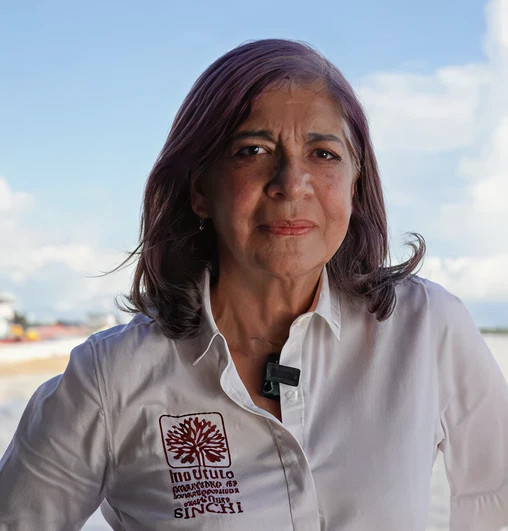
Luz Marina Mantilla Cárdenas

President
Bachelor's degree in Biology and Chemistry. Holds Master's studies in Biology (Mycology area) from the University of the Andes and Master's studies in Government and Public Policies from the Externado University of Colombia. She has been a researcher and university professor. Currently, she serves as the General Director of the SINCHI Institute. During her tenure, she has successfully consolidated scientific research topics related to, among others, flora, fauna, and microbiota inventories; the utilization of the Amazon region's biodiversity resources through knowledge generation, innovation, and technology transfer for local communities; the generation of information for the country regarding the Amazon; border knowledge; and the necessary aspects to be considered for the design and implementation of public policies that contribute to the sustainable development and conservation of the Amazon region. Recently, she was elected president of the Bioamazonía Network – Research and Innovation Institutes on Biodiversity, which brings together the main research institutes of the Amazon biome countries.
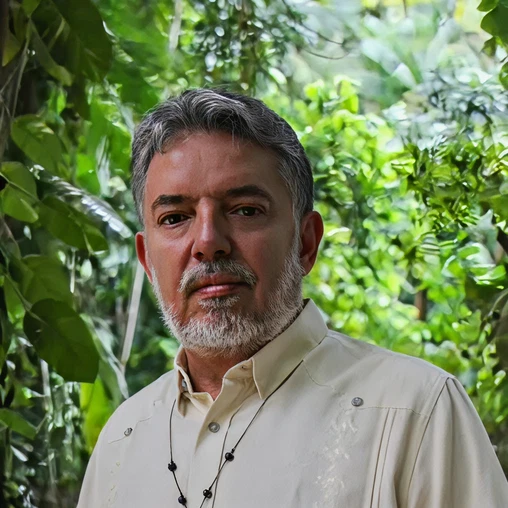
Henrique dos Santos Pereira

Vice President
He holds a Bachelor's degree in Agronomy from the Federal University of Amazonas (1984), a Master's degree in Biology (Ecology) from the National Institute of Amazonian Research (1992), and a Doctorate in Ecology from Pennsylvania State University (1999). He is a full professor and former Special Advisor for International Relations (2021-2023) at the Federal University of Amazonas – UFAM. Director (2023-2027), professor, and visiting researcher at the National Institute of Amazonian Research – INPA. Former President (2017-2019) and former Executive Secretary (2019-2023) of the National Association of Postgraduate Studies and Research in Environment and Society – ANPPAS. Former State Superintendent of the Brazilian Institute of Environment and Renewable Natural Resources – IBAMA for the state of Amazonas (2003-2009). Thematic coordinator for the ecology area of the Acariquara Institute. He is a full member of the Brazilian Academy of Agricultural Sciences. Member of the Scientific Methodological Committee – CCM of the Environmental Services Policy of the State of Amazonas. National Director of the Franco-Brazilian Center for Amazonian Biodiversity (2024-present). Vice President of the Amazonian Network for Research and Innovation in Biodiversity (2024 – present). He has experience in the fields of Agronomy and Environmental Sciences, working primarily on the following topics: public environmental management, management of collectively used natural resources, protected areas, family farming, and traditional communities.
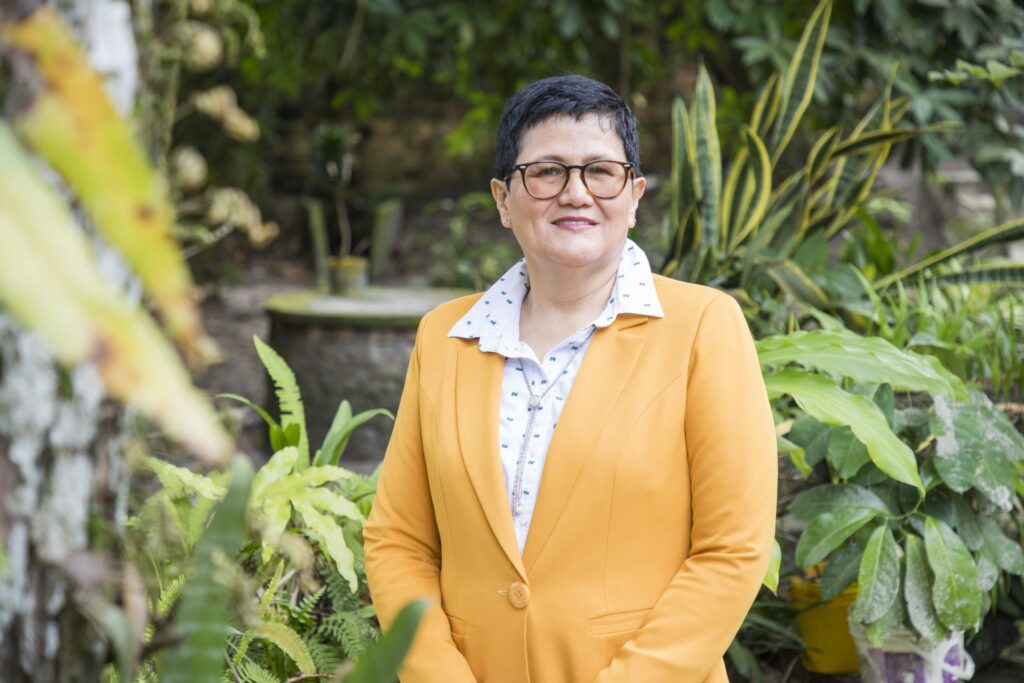
Carmen Rosa Garcia Davila

Director

She holds a Ph.D. in Biological Sciences and is currently the Executive President of the Peruvian Amazon Research Institute (IIAP). In 2003, she founded the Molecular Biology and Genetics Laboratory (LBGM) at IIAP, serving as its director until April 2021. During her tenure, the laboratory was recognized for its pioneering research on the genetic conservation of natural populations of flora and fauna species with economic potential in the Peruvian Amazon. Among her key achievements, she established a reference molecular bank (Barcoding) for Amazonian fish, amphibians, reptiles, and aquatic mammals. Furthermore, she promoted the use of advanced technologies such as Metabarcoding and environmental DNA (eDNA) for assessing biodiversity in Peruvian Amazonian water bodies, from both ecological and economic perspectives. She has authored over 80 scientific publications in high-impact journals. Nationally, she is a member of Peru's Science, Technology, and Innovation Advisory Committee, an expert on Amazonian fish for the MINAM CITES-Peru Committee, co-director of the Peruvian Amazon Biodiversity Observatory (OBAP), and a member of CONCYTEC's Committee for Women in Science, Technology, and Innovation. She has also served on CONCYTEC's Committee on Research Integrity. Internationally, she has been a board member of Citizen Science for the Amazon and is currently on the steering committee of the Amazonian Waters Alliance, networks focused on the conservation of the Amazon Biome.
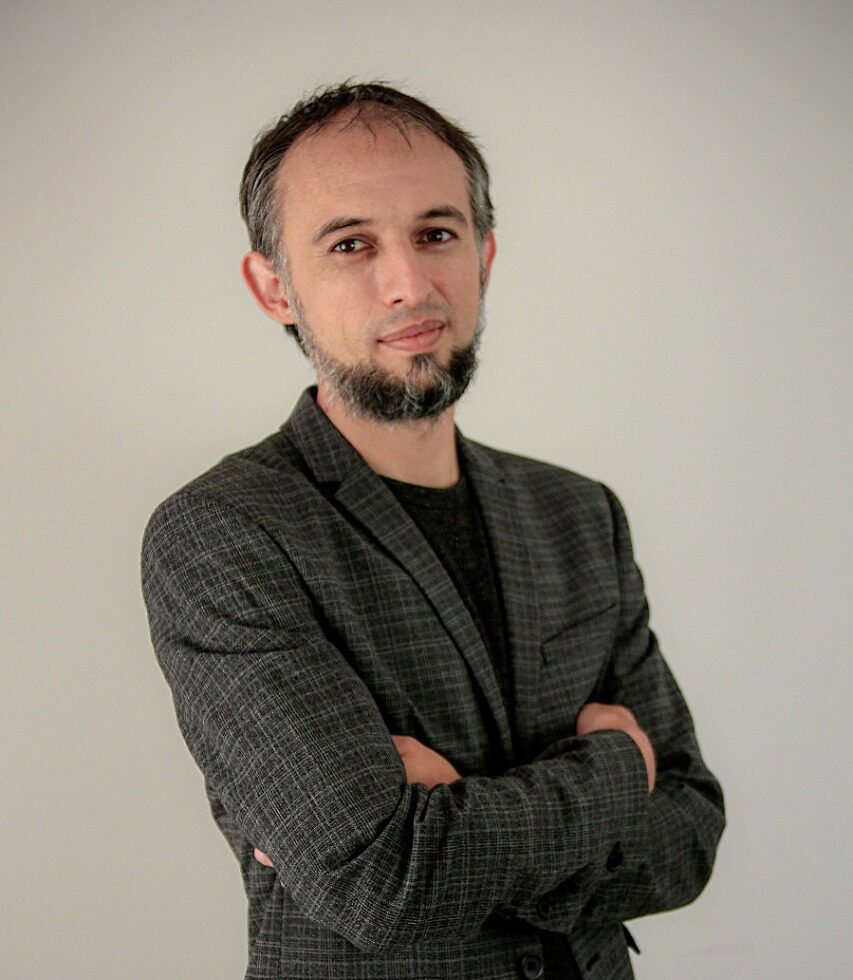
Diego Javier Inclán Luna

Director
Ecuadorian researcher passionate about biodiversity. He earned his degree in Agricultural Sciences from EARTH University in Costa Rica and continued his education with a Master of Science in Biological Sciences from Wright State University (USA). Subsequently, he completed his Doctorate and Postdoctorate at the Università degli Studi di Padova (Italy), specializing in Entomology and Landscape Ecology. Throughout his career, he has dedicated his life to academia and the research of parasitoid insects, contributing significantly to science. His work has resulted in over 30 publications in articles and book chapters, as well as the discovery of approximately 18 new insect species. His extensive experience in research and in managing national and international cooperation projects has allowed him to apply scientific knowledge in the formulation of public policies. He currently serves as the Executive Director of the National Institute of Biodiversity, a research professor at the Central University of Ecuador, and president of the Entomological Society of Ecuador.
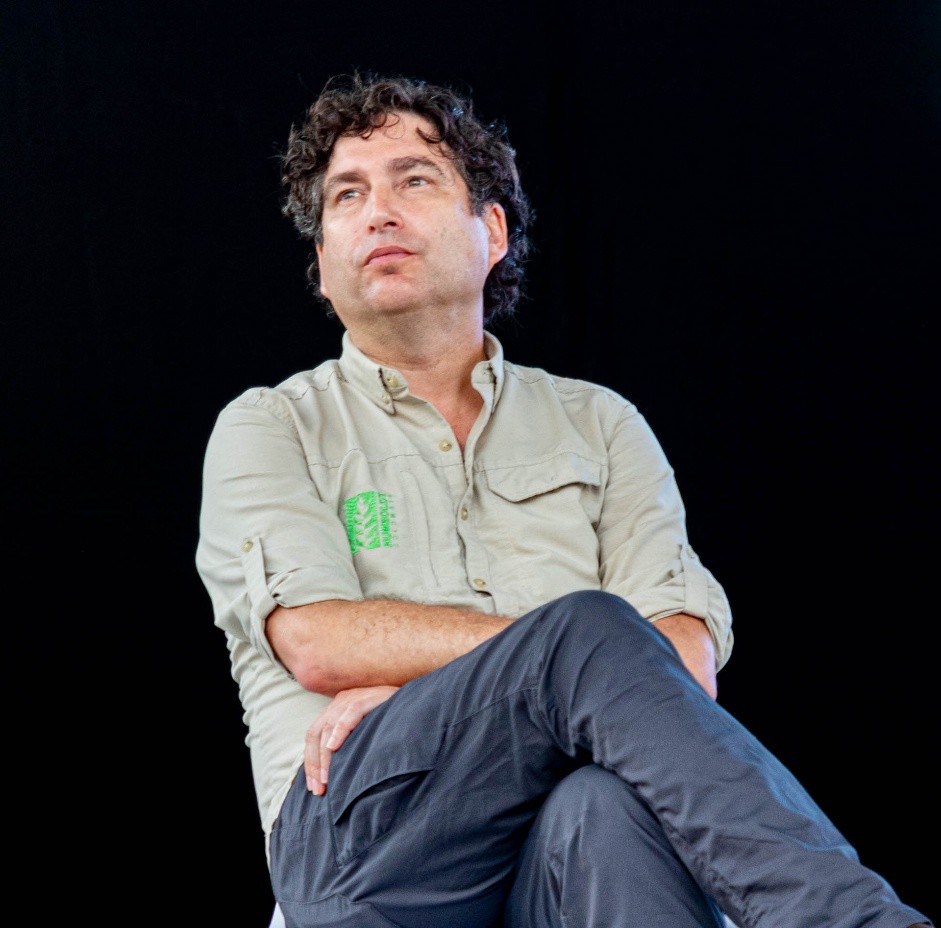
Hernando Garcia Martinez
Director General

Biologist with a Master's degree in Ecology from the Autonomous University of Barcelona. He has extensive experience in leadership positions focused on science management, research, and project management that have enabled informed decision-making in government, private enterprise, and society for biodiversity conservation. He has over 20 years of experience in research and work with interdisciplinary teams related to biodiversity sciences. After a 14-year career with the Humboldt Institute, he is currently the Director General of the Humboldt Institute, one of the pillars of the National Environmental System (SINA). He has authored over 30 scientific products (articles, books, book chapters) related to tropical forest dynamics, sectoral environmental planning, and biodiversity conservation. In his role as Director General, he leads an entity whose purpose is to mobilize data, information, knowledge, and narratives that position and connect biodiversity and its contributions to the transition towards sustainability and human well-being, in a context of global change. He has focused on connecting scientific networks with key decision-makers for the integral management of biodiversity in Colombia and its positioning at a global level.
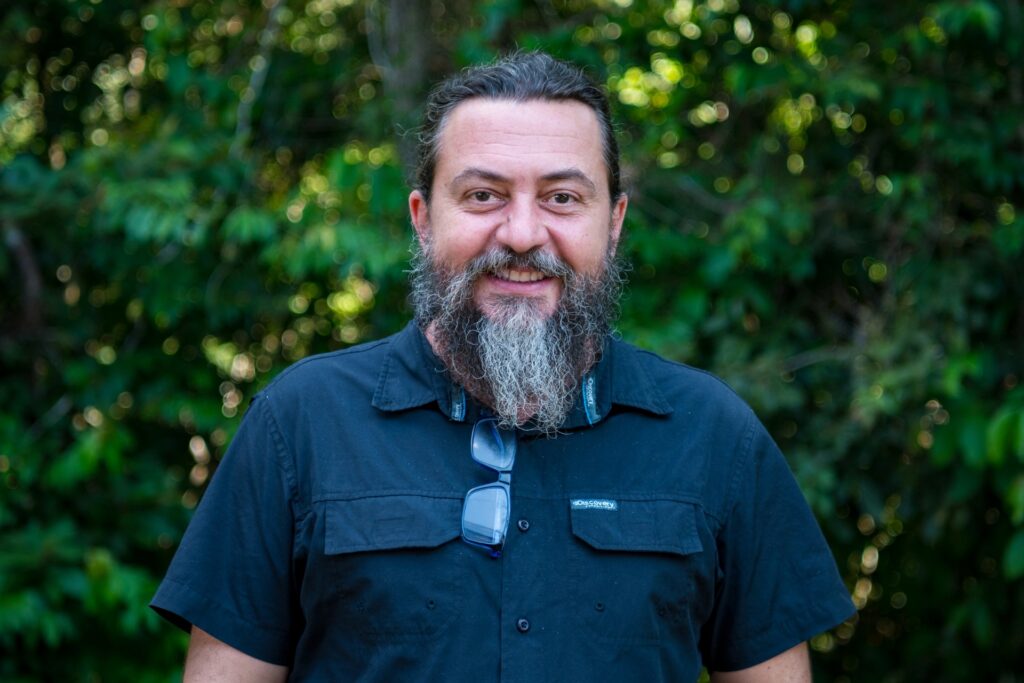
João Valsecchi do Amaral
Director
João Valsecchi is the executive director of the Mamirauá Institute, a research institute located in the Amazonian interior and linked to the Ministry of Science, Technology and Innovation. He holds a degree in Biological and Health Sciences, a Master's degree in Zoology from the Museu Paraense Emílio Goeldi, and a PhD in Wildlife Management and Conservation from the Federal University of Minas Gerais. He is a senior researcher at the Mamirauá Institute, where he previously held the positions of monitoring coordinator and technical-scientific director. He is a member of Red Fauna, COMFAUNA, and Red BioAmazonia.
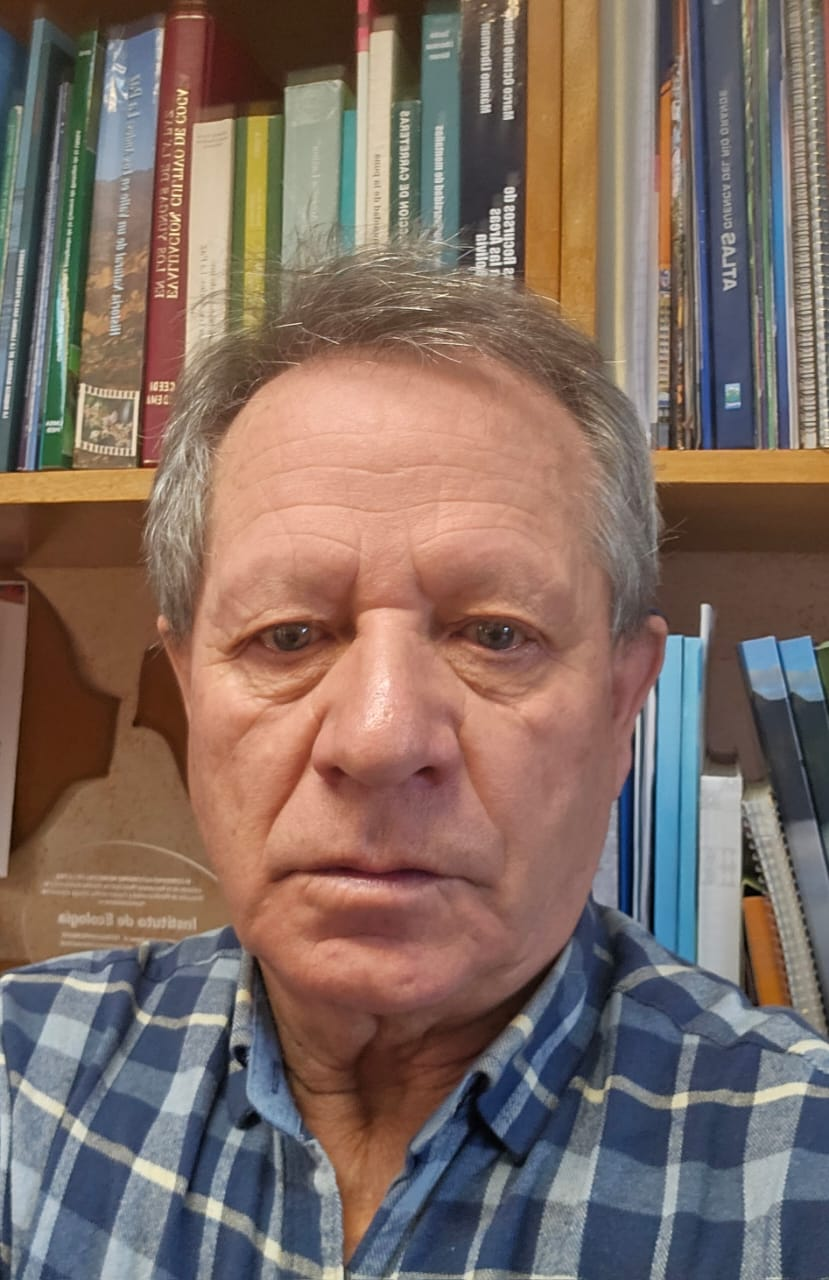
Maximo Liberman Cruz

Director
Máximo Liberman Cruz studied Biology at the University of Concepción in Chile. He graduated with a Bachelor's degree in Biology from UMSA. He completed postgraduate studies in Rural Survey in the Netherlands. He is a research professor and the current Director of the Institute of Ecology at the Higher University of San Andrés. He has written 6 books on: Land Use and Biodiversity of Bolivia's Protected Areas, Poverty and Environment in Bolivia, Environmental Manual for Road Construction in Bolivia, Environmental Planning and Management Instruments for Roads, Changes in Land Use and Mountain Biodiversity, The Natural Wealth of the Laguna-Salar de Pastos Grandes, and Bofedales de Apolobamba, Bolivia. He is the author of some 40 scientific and outreach articles on natural resource management and the biodiversity of Bolivia and Chile. He is an environmental consultant for the World Bank, IDB, ACTO, and CAF.
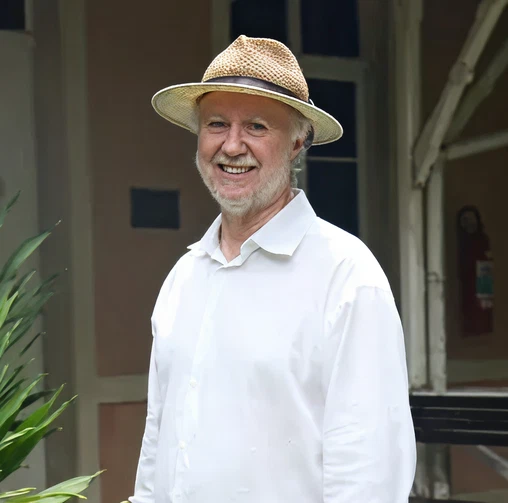
Nilson Gabas Jr
Director

Nilson Gabas Junior is a senior researcher at the Museu Paraense Emílio Goeldi, working in the area of Indigenous Linguistics. He completed his doctorate in Linguistics at the University of California, Santa Barbara, in 1999. He conducted postdoctoral studies at the University of Antwerp, Belgium, in 2002, and at the University of Oregon, in Eugene, in 2018-2019. He was the coordinator of research and postgraduate studies at the Goeldi Museum (2005-2009) and its director for two terms (2009 to 2013 and then from 2014 to 2018). He is a member of several councils and entities linked to socio-biodiversity in the state of Pará in Brazil, and also a member of the Brazilian Society for the Advancement of Science (SBPC). Since March 2023, he is once again managing the Museum.
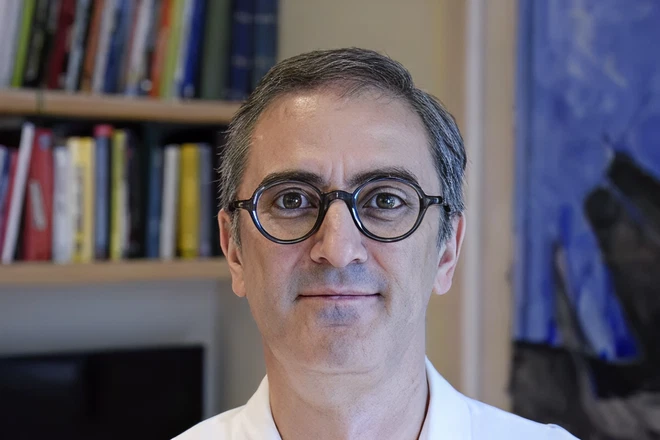
Rafael Anta
Lead Specialist

Rafael works on the design and supervision of loan operations and technical assistance projects that promote investments in technological infrastructure, research and development, entrepreneurship, and advanced talent, with a greater emphasis on the bioeconomy and blue economy sectors. Previously, he was a senior advisor in the Executive Vice President's Office for 5 years, where he worked on identifying emerging technologies and disruptive applications that could help solve development challenges, in some of the world's most innovative R&D labs. He holds a degree in Computer Engineering from Ramon Llull University in Barcelona, Summa Cum Laude, and completed certified studies in Machine Learning and Artificial Intelligence at MIT.
Project Team
The Bioamazonia Network project team brings together consultants hired under technical cooperation with the IDB.
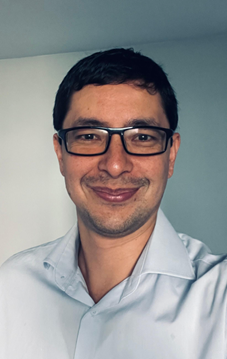
Daniel Lage Chang
Technical Secretary
Professional with a solid background in international cooperation for the environment, distinguished by their ability to lead multidisciplinary teams and generate innovative solutions. With academic training in Economics, an MBA in Strategic Environmental Management, and a Master's in Knowledge Management and Engineering, they have extensive experience in the public sector – the Ministry of Environment and the Ministry of Science, Technology, and Innovation of Brazil – where they coordinated bioeconomy projects and mobilized international resources for climate change and biodiversity projects. Daniel has demonstrated a consistent commitment to excellence and building trusting relationships. Their strategic approach and communication skills have enabled them to collaborate on high-impact projects, both nationally and internationally. Passionate about nature, Daniel continues to advance their professional development while contributing to the success of the organizations they collaborate with.
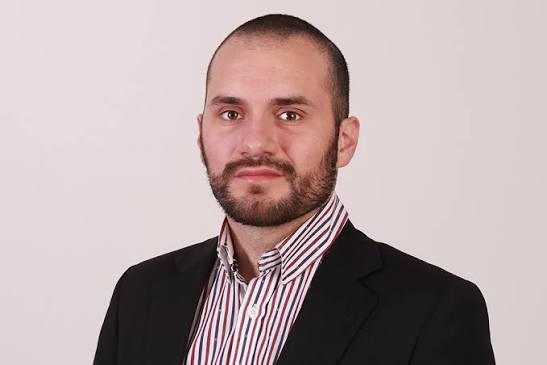
Gaspar Sebastian Morgado
Technology Transfer Expert
He has over 17 years of experience in R&D+i and an outstanding track record in technology transfer. He has worked for institutions in Europe and Latin America, in addition to serving as a consultant for law firms, companies, and investment funds. He pursued doctoral studies at ETH Zurich (Switzerland) and holds international postgraduate degrees in business, finance, intellectual property, and project management. He served as Deputy Director of Technological Innovation at the University of Chile, where he led the intellectual property, technology transfer, and industry liaison areas. Today, he is the Innovation Manager at INIA Uruguay, in charge of the development of new businesses and investments in the area. He is also an external consultant for the Inter-American Development Bank (IDB) supporting the Bioamazon Network.
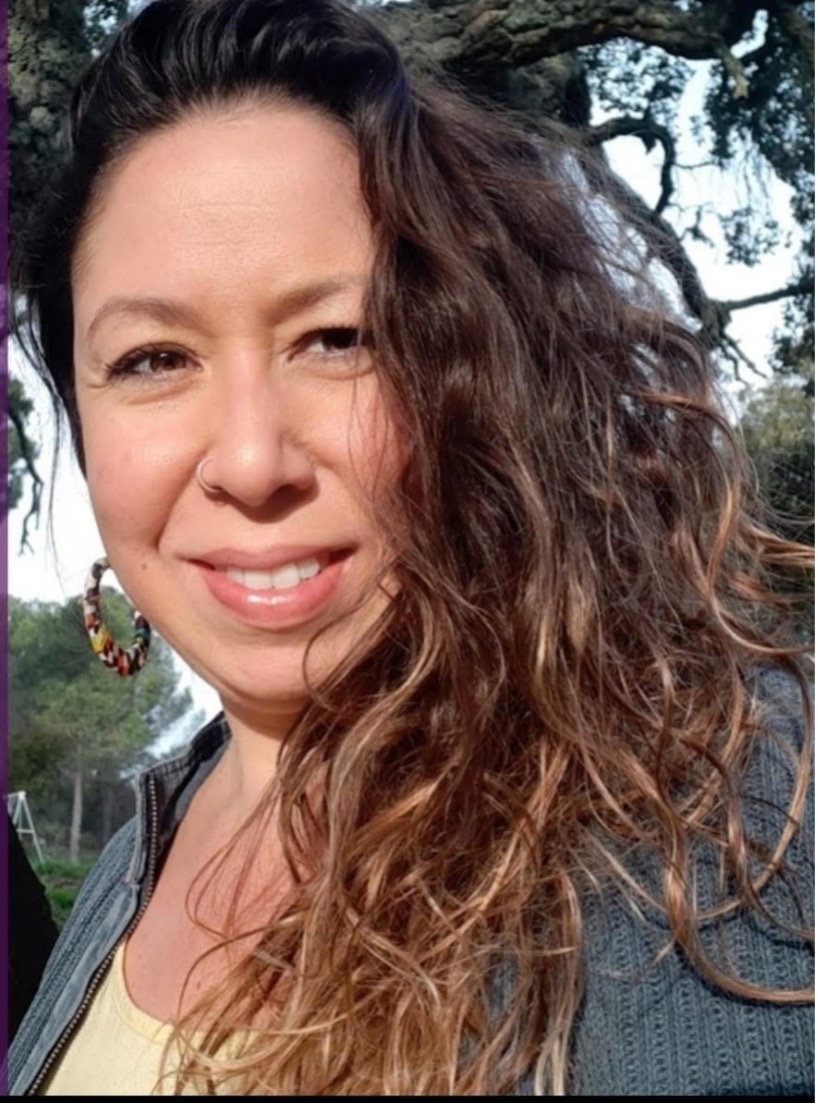
Sheila Prado Saraiva
Communications Advisor
Communications Advisor
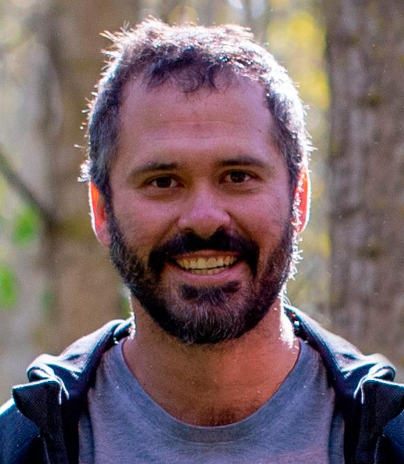
Javier A. Canteros
Audiovisual Communication
Javier A. Canteros is a science journalist and audiovisual communication professional, with experience in the production, editing, and development of scientific content for television and other audiovisual formats.
Throughout his career, he has worked on the creation and editorial coordination of science communication programs and projects, covering areas such as biodiversity, environment, technology, health, and natural sciences. His work combines journalistic research with the creation of audiovisual narratives capable of translating complex scientific content to broad audiences.
Currently, she collaborates with the Bioamazon Network in the development of its audiovisual communication and in the production of content aimed at disseminating scientific work and cooperation among research institutes in the Amazon region.
